
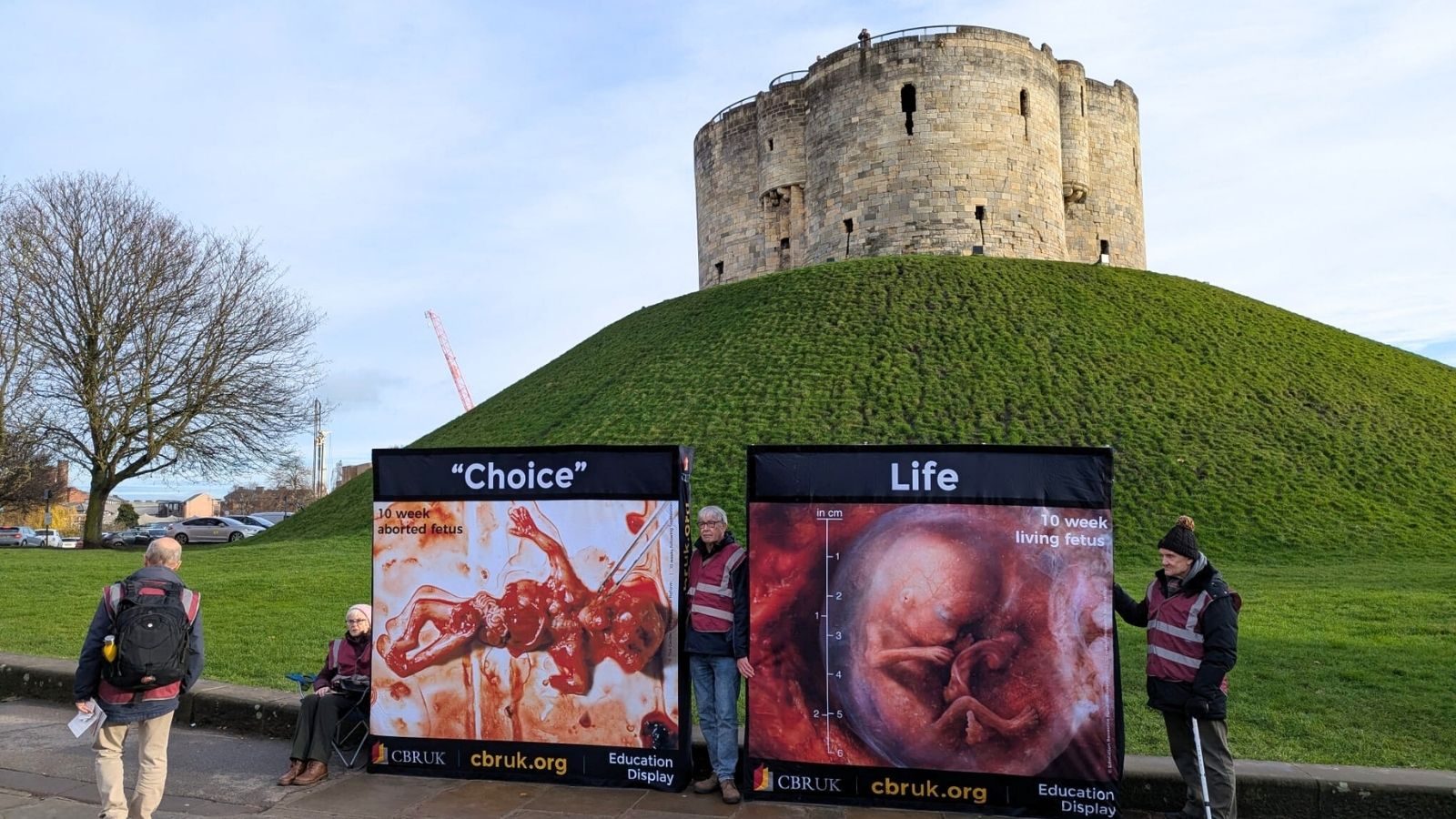
On the 25th of March, 1784, a crucial moment in the history of human rights unfolded in the Castle Yard, York. This historic location, overlooked by the remains of York Castle (Clifford's Tower), was the traditional site for great county meetings and public gatherings.
It was here, at the end of a long, bitterly cold day marked by powerful winds, hail, and rain, that the prominent abolitionist William Wilberforce delivered a truly eloquent and career-defining speech.
Wilberforce spoke brilliantly, holding the attention of the weather-beaten crowd. The High Sheriff, Mr. Danby, who had convened the county meeting, was moved to say that Wilberforce "talked like an angel." The topic of the slave trade was of vital interest to all who listened. About an hour into his address, a King’s messenger on horseback, having ridden for two days, galloped into the yard to deliver a letter from Prime Minister William Pitt. The following day, Wilberforce was elected a Member of Parliament for Yorkshire, earning the title 'Knight of the Shire for the County of York.'
Challenging the Accepted Evil
Wilberforce rose to renown for his unwavering commitment to challenging the prevailing currents of his era and eradicating the scourge of the slave trade. In his view, it was utterly incomprehensible that so many polite and refined members of British society could completely ignore the heart cries of millions of enslaved people.
Today, the concept of human slavery fills most people with horror, but during Wilberforce's time, it was tragically and completely accepted. As Eric Metaxas writes in his book, Amazing Grace:
“The idea of ending slavery was so completely out of the question at that time that Wilberforce and the abolitionists could not even mention it publicly. They focused on the lesser idea of abolishing the slave trade – on the buying and selling of human beings – but never dared speak of emancipation, of ending slavery itself. Their secret and cherished hope was that once the slave trade had been abolished, it would then become possible to begin to move toward emancipation. But first they must fight for the abolition of the slave trade, that battle – brutal and heartbreaking – would take twenty years.”
Vanquishing a Mind-Set
Wilberforce's achievement was truly remarkable: he successfully vanquished the very mind-set that had made slavery acceptable. He did not merely change laws; he destroyed the entire way in which people perceived slavery, enabling them to see the grave injustice of the institution.
The old way of seeing things included the concept that the intrinsic evil of slavery was somehow good, or at least a necessary evil. Wilberforce exposed and totally obliterated that viewpoint. The actual idea that slavery is good no longer exists. The concept that it is inextricably intertwined with human civilisation, an economic necessity, or morally justifiable is gone, as the whole mind-set that supported it has disappeared.
Wilberforce and his fellow abolitionists managed to overturn not only European civilisation’s view of barbaric slavery but almost everything in the human sphere. Their accomplishment was undoubtedly monumental, resulting in a seismic shift in human consciousness.
The Greatest Injustice of Our Time
As we remember the outstanding achievements of Wilberforce, it is imperative that we address the greatest injustice unfolding on our watch: the killing of unborn babies.
How is it that, not only in British society but around the world, we have long tolerated what is clearly intolerable? We are living in an urgent hour. Nearly 11 million precious unborn babies have been tragically aborted in the United Kingdom since the Abortion Act 1967 received Royal Assent. How many more lives must be needlessly taken before we decide to turn the tide?
Recently, most Members of Parliament in the House of Commons voted in support of the total decriminalisation of abortion. An amendment was tabled which would allow women to abort their babies up to birth, even during labour, without any legal consequences.
We must ask ourselves: Is this how we choose to be remembered in years to come? As the people who allowed mothers to kill their unborn babies up to the moment of birth?
We cannot afford to be the generation that accepts this barbaric proposition. The inherent evil of slavery was finally destroyed by those who refused to look away. Now, faced with an injustice equally profound, our silence is complicity. We must follow Wilberforce's example and shatter the illusion that this legalised taking of life is anything less than the greatest moral failure of our time. Join Us, sign the Heartbeat Bill Petition, and help to end the slaughter. History is watching!